Here's a headline that sounds simple: the government is cracking down on "birth tourism." Who could argue with that? But read past the headline, and you'll find an order that answers almost none of the practical questions it raises. And those questions could end up affecting a lot more travelers than the ones it's actually targeting.
Before I get into why, here's what the order actually says.
The order directs the Secretary of State and the Secretary of Homeland Security to take action against foreign nationals who use nonimmigrant visas (think tourist, student, or business visas) to give birth in the United States, and against anyone who helps them do so. Days later, the State Department confirmed it already has a task force running under this policy, and it shared some real numbers.
If you travel to the U.S. on a visa, or know someone who does, here's what's actually in the order, what enforcement has looked like so far, and why I think the open questions matter more than the policy itself.
My Take: A Reasonable Concern, an Open-Ended Answer
Let's start with the part I actually agree with. Using a temporary visa as a workaround to get citizenship for a child, and down the road, immigration benefits for the parents, is a real problem for the integrity of the visa system. I'm not going to pretend that concern is made up.
But here's where it gets messy. The order doesn't spell out how any of this gets enforced. It hands broad, largely unchecked discretion to two federal agencies and tells them to "figure it out." And when the government has that much discretion with that little definition, I've learned to ask: who ends up getting caught in the net that wasn't supposed to be there?
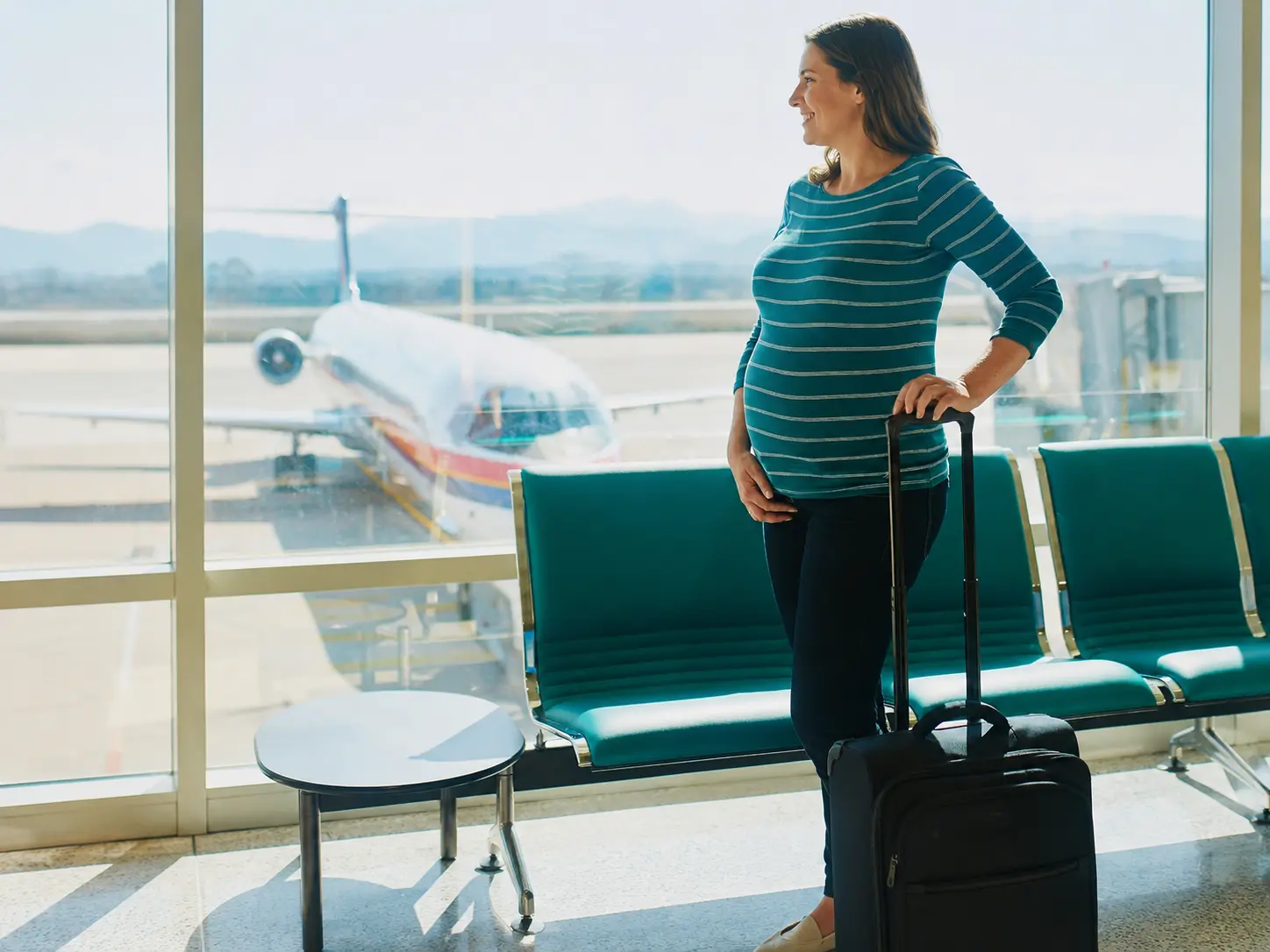
Tourist visas are issued to millions of travelers every year. If "intent to give birth here" is the standard, how exactly is a consular officer or a border agent supposed to figure that out in a five-minute interview? Are women of childbearing age, and we're talking a wide range here, roughly the teens through the early 40s, going to get extra questions simply because pregnancy is possible during that window? Will pregnant travelers, or travelers who could be pregnant, get asked for medical documentation at the airport? And where's the actual line between someone who happens to be pregnant during a legitimate trip, and someone who planned the trip specifically to give birth here?
None of that is answered in the order. It's left entirely to guidance that hasn't been written yet. That's the part worth watching, not the headline.
What Executive Order 14419 Actually Does
The order defines birth tourism narrowly but broadly in effect: entering the U.S. on a nonimmigrant visa for the purpose of giving birth here, or facilitating someone else's entry for that purpose. It does not create a new law. Instead, it delegates existing authority under section 215(a) of the Immigration and Nationality Act to the Secretaries of State and Homeland Security, letting them issue guidance and take enforcement action within that authority.
That enforcement authority is broad. The order allows officials to deny visas or entry to travelers believed to be engaging in birth tourism, revoke visas and permanently bar reentry for those who already have, and pursue action against the facilitators and networks that organize these trips. The order does include an exemption provision: the Secretary of State or DHS may waive enforcement on humanitarian grounds or when entry serves the national interest, at their own discretion.
Notably, the order itself does not specify screening procedures, evidentiary standards, or how officers should determine a traveler's intent. It leaves that to future rules, policies, and operational guidance from State and DHS.
The State Department's Response: A Task Force and Real Numbers
The State Department has since confirmed it created a Birth Tourism Prevention Task Force under this framework, working jointly with DHS to review visa holder activity worldwide. According to the Department, the task force has already revoked more than 600 visas tied to birth tourism.
The Department also published examples of the fraud patterns it says it uncovered: a couple who used a conference trip and a vacation as cover stories to give birth to two children in the U.S. across two separate visa applications, a foreign government official who requested a one-week visa for official travel but stayed three months and gave birth before leaving, and a traveler who was approved for a vacation in Orlando but instead gave birth in Los Angeles five days after arrival. In each case, the Department says the visa was revoked after the fact.
The Department has framed the policy rationale plainly: citizenship, in its view, is not something that should be obtained by gaming the visa system rather than following the immigration process Congress created. That framing is what is driving both the order and the enforcement that has followed it.
Where the Discretion Comes From
Part of the reason these questions are hard to answer is built into the order itself. It gives the Secretary of State and DHS wide, largely unreviewable discretion, including the power to grant exemptions on humanitarian or national interest grounds without defining what qualifies.
And this isn't a one-off. If you've been following immigration policy this year, you've probably noticed the pattern: whether it's public charge determinations, discretionary denials, or now birth tourism, nearly every major update from this administration leans on the same tool, wide agency discretion with few defined limits. That's worth naming on its own, because discretion applied unevenly tends to fall hardest on people who simply fit a profile, not on people who've actually done something wrong.
What This Means Going Forward
The cases the State Department has released so far were caught after the fact, through revocation once misrepresentation surfaced. Screening for suspected intent before entry is a different problem, and it's the one that still has no public guidance behind it.
A legitimate concern doesn't justify any enforcement mechanism that follows from it. The DHS and State guidance still to come is where the real impact lands, and it's worth watching closely.
If you're navigating a visa application, a consular interview, or a case affected by recent immigration policy changes, our office can help you understand where you stand. Contact CALAM Immigration Law to schedule a consultation.